Audio
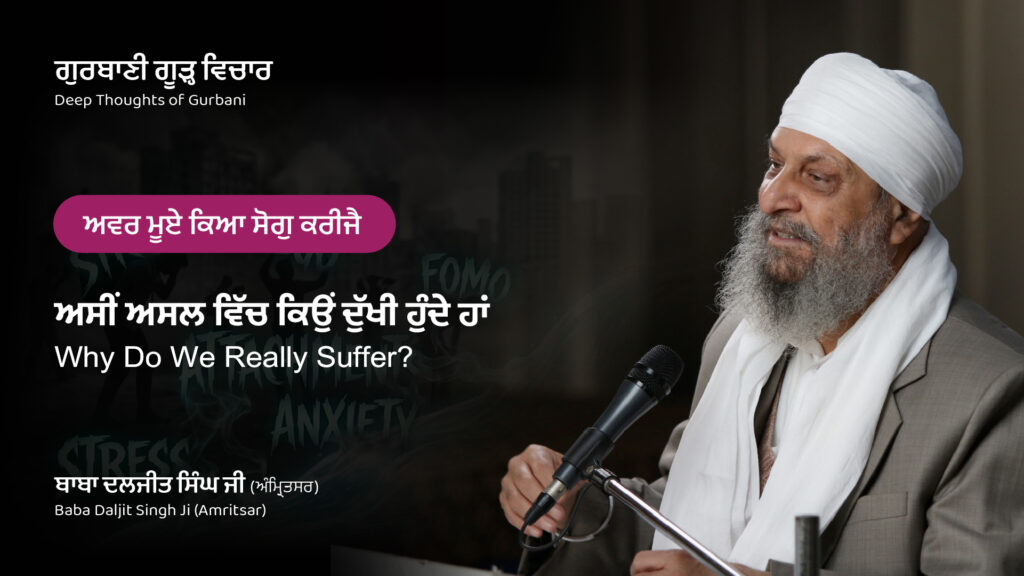
In this profound explanation, Baba Daljit Singh Ji interprets “death” primarily as the death of worldly desires, which serves as the foundational root for the death of the ego.
While common interpretations focus on physical passing, this specific discourse elevates the concept to a psychological and spiritual level. Here is how that comparison breaks down:
Death as a State of Desirelessness
Baba Ji explains that as long as a person is “alive” to the world (constantly chasing wants, cravings, and emotional attachments), they remain in a state of suffering. When Gurbani asks why we mourn “others” who have died, the deep meaning suggests that we are mourning the loss of things/people we desired to keep forever.
- The Comparison: Physical death is final, but the “death of desire” is a conscious choice that leads to liberation while still living (Jivan Mukti).
The Mirror of Attachment
The explanation highlights that we don’t actually mourn the person or the object; we mourn the unfulfilled desire we had attached to them.
- By comparing death to the fading of desires, Baba Ji shifts the focus from the “outward loss” to the “inward lack.”
- When a desire “dies,” the ego loses its fuel. Without a desire to possess, the ego has nothing to stand on.
Transience vs. Permanence
The “common man” lives in a world of shifting shadows. Baba Ji emphasizes that:
- Worldly Life = A constant cycle of birth and death of thoughts/wishes.
- Spiritual Life = The “death” of these cycles so that only the Eternal (Sat) remains.
“When the desire for the temporary dies, the connection to the Eternal is born.”
By focusing on the death of desires, the explanation provides a practical tool for the common man to handle stress, anxiety, and grief, transforming a verse about mourning into a manual for emotional freedom.
ਇਸ ਗੰਭੀਰ ਵਿਆਖਿਆ ਵਿੱਚ, ਬਾਬਾ ਦਲਜੀਤ ਸਿੰਘ ਜੀ “ਮੌਤ” ਨੂੰ ਮੁੱਖ ਤੌਰ ‘ਤੇ ਦੁਨਿਆਵੀ ਇੱਛਾਵਾਂ ਦੀ ਮੌਤ ਵਜੋਂ ਦਰਸਾਉਂਦੇ ਹਨ, ਜੋ ਕਿ ਹੰਕਾਰ (ਹਉਮੈ) ਦੇ ਵਿਨਾਸ਼ ਦੀ ਬੁਨਿਆਦ ਹੈ।
ਆਮ ਤੌਰ ‘ਤੇ ਲੋਕ ਇਸ ਦੇ ਅਰਥ ਸਰੀਰਕ ਮੌਤ ਨਾਲ ਜੋੜਦੇ ਹਨ, ਪਰ ਇਹ ਵਿਸ਼ੇਸ਼ ਪ੍ਰਵਚਨ ਇਸ ਸੰਕਲਪ ਨੂੰ ਮਾਨਸਿਕ ਅਤੇ ਅਧਿਆਤਮਿਕ ਪੱਧਰ ‘ਤੇ ਲੈ ਜਾਂਦਾ ਹੈ। ਇਸ ਤੁਲਨਾ ਦਾ ਵੇਰਵਾ ਇਸ ਪ੍ਰਕਾਰ ਹੈ:
ਇੱਛਾ-ਰਹਿਤ ਅਵਸਥਾ ਹੀ ਅਸਲ ਮੌਤ ਹੈ
ਬਾਬਾ ਜੀ ਸਮਝਾਉਂਦੇ ਹਨ ਕਿ ਜਦੋਂ ਤੱਕ ਮਨੁੱਖ ਦੁਨੀਆ ਲਈ “ਜੀਉਂਦਾ” ਹੈ (ਭਾਵ ਲਗਾਤਾਰ ਇੱਛਾਵਾਂ, ਲਾਲਸਾਵਾਂ ਅਤੇ ਮੋਹ ਦੇ ਪਿੱਛੇ ਭੱਜ ਰਿਹਾ ਹੈ), ਉਹ ਦੁੱਖ ਦੀ ਅਵਸਥਾ ਵਿੱਚ ਰਹਿੰਦਾ ਹੈ। ਜਦੋਂ ਗੁਰਬਾਣੀ ਪੁੱਛਦੀ ਹੈ ਕਿ ਅਸੀਂ “ਅਵਰ” (ਦੂਜਿਆਂ) ਦੇ ਮਰਨ ‘ਤੇ ਸੋਗ ਕਿਉਂ ਕਰਦੇ ਹਾਂ, ਤਾਂ ਇਸ ਦਾ ਡੂੰਘਾ ਅਰਥ ਇਹ ਹੈ ਕਿ ਅਸੀਂ ਅਸਲ ਵਿੱਚ ਉਹਨਾਂ ਚੀਜ਼ਾਂ ਜਾਂ ਲੋਕਾਂ ਨੂੰ ਗੁਆਉਣ ਦਾ ਅਫਸੋਸ ਕਰਦੇ ਹਾਂ ਜਿਨ੍ਹਾਂ ਨੂੰ ਅਸੀਂ ਹਮੇਸ਼ਾ ਲਈ ਆਪਣੇ ਕੋਲ ਰੱਖਣਾ ਚਾਹੁੰਦੇ ਸੀ।
- ਤੁਲਨਾ: ਸਰੀਰਕ ਮੌਤ ਅਟੱਲ ਹੈ, ਪਰ “ਇੱਛਾ ਦੀ ਮੌਤ” ਇੱਕ ਸੁਚੇਤ ਚੋਣ ਹੈ ਜੋ ਜਿਉਂਦੇ ਜੀ ਮੁਕਤੀ (ਜੀਵਨ ਮੁਕਤੀ) ਵੱਲ ਲੈ ਜਾਂਦੀ ਹੈ।
ਮੋਹ ਦਾ ਸ਼ੀਸ਼ਾ
ਇਹ ਵਿਆਖਿਆ ਇਸ ਗੱਲ ‘ਤੇ ਜ਼ੋਰ ਦਿੰਦੀ ਹੈ ਕਿ ਅਸੀਂ ਅਸਲ ਵਿੱਚ ਕਿਸੇ ਵਿਅਕਤੀ ਜਾਂ ਵਸਤੂ ਲਈ ਸੋਗ ਨਹੀਂ ਕਰਦੇ; ਅਸੀਂ ਉਸ ਅਧੂਰੀ ਇੱਛਾ ਲਈ ਰੋਂਦੇ ਹਾਂ ਜੋ ਅਸੀਂ ਉਹਨਾਂ ਨਾਲ ਜੋੜੀ ਹੋਈ ਸੀ।
- ਮੌਤ ਦੀ ਤੁਲਨਾ ਇੱਛਾਵਾਂ ਦੇ ਖਤਮ ਹੋਣ ਨਾਲ ਕਰਕੇ, ਬਾਬਾ ਜੀ ਸਾਡਾ ਧਿਆਨ “ਬਾਹਰੀ ਘਾਟੇ” ਤੋਂ ਹਟਾ ਕੇ “ਅੰਦਰੂਨੀ ਕਮੀ” ਵੱਲ ਮੋੜਦੇ ਹਨ।
- ਜਦੋਂ ਇੱਕ ਇੱਛਾ “ਮਰ” ਜਾਂਦੀ ਹੈ, ਤਾਂ ਹਉਮੈ (Ego) ਦਾ ਬਾਲਣ ਖਤਮ ਹੋ ਜਾਂਦਾ ਹੈ। ਕਬਜ਼ਾ ਕਰਨ ਦੀ ਇੱਛਾ ਤੋਂ ਬਿਨਾਂ, ਹਉਮੈ ਦਾ ਕੋਈ ਵਜੂਦ ਨਹੀਂ ਰਹਿੰਦਾ।
ਨਾਸ਼ਵਾਨ ਬਨਾਮ ਸਦੀਵੀ
ਇੱਕ “ਆਮ ਆਦਮੀ” ਪਰਛਾਵਿਆਂ ਵਰਗੀ ਬਦਲਦੀ ਦੁਨੀਆ ਵਿੱਚ ਰਹਿੰਦਾ ਹੈ। ਬਾਬਾ ਜੀ ਇਸ ਗੱਲ ‘ਤੇ ਜ਼ੋਰ ਦਿੰਦੇ ਹਨ ਕਿ:
- ਦੁਨਿਆਵੀ ਜੀਵਨ: ਵਿਚਾਰਾਂ ਅਤੇ ਇੱਛਾਵਾਂ ਦੇ ਜਨਮ ਅਤੇ ਮਰਨ ਦਾ ਇੱਕ ਨਿਰੰਤਰ ਚੱਕਰ ਹੈ।
- ਅਧਿਆਤਮਿਕ ਜੀਵਨ: ਇਹਨਾਂ ਚੱਕਰਾਂ ਦੀ “ਮੌਤ” ਹੈ ਤਾਂ ਜੋ ਸਿਰਫ ਉਹ ਅਕਾਲ ਪੁਰਖ (ਸਤਿ) ਹੀ ਬਾਕੀ ਰਹੇ।
“ਜਦੋਂ ਨਾਸ਼ਵਾਨ ਚੀਜ਼ਾਂ ਦੀ ਇੱਛਾ ਮਰ ਜਾਂਦੀ ਹੈ, ਤਾਂ ਉਸ ਸੱਚੇ ਪਰਮਾਤਮਾ ਨਾਲ ਮਿਲਾਪ ਹੁੰਦਾ ਹੈ।”
ਇੱਛਾਵਾਂ ਦੀ ਮੌਤ ‘ਤੇ ਧਿਆਨ ਕੇਂਦਰਿਤ ਕਰਕੇ, ਇਹ ਵਿਆਖਿਆ ਆਮ ਮਨੁੱਖ ਨੂੰ ਤਣਾਅ, ਚਿੰਤਾ ਅਤੇ ਦੁੱਖ ਨਾਲ ਨਜਿੱਠਣ ਲਈ ਇੱਕ ਵਿਵਹਾਰਕ ਤਰੀਕਾ ਦੱਸਦੀ ਹੈ। ਇਹ ਸੋਗ ਬਾਰੇ ਲਿਖੀ ਗਈ ਪੰਕਤੀ ਨੂੰ ਮਾਨਸਿਕ ਅਤੇ ਅਧਿਆਤਮਿਕ ਆਜ਼ਾਦੀ ਦੇ ਮਾਰਗ ਵਿੱਚ ਬਦਲ ਦਿੰਦੀ ਹੈ।
Gurbani Reference
Index
03:12 ਅਵਰ ਮੂਏ ਕਿਆ ਸੋਗੁ ਕਰੀਜੈ ॥
03:34 ਤਉ ਕੀਜੈ ਜਉ ਆਪਨ ਜੀਜੈ ॥੧॥
04:10 ਜਿਹ ਮੁਖਿ ਪਾਂਚਉ ਅੰਮ੍ਰਿਤ ਖਾਏ ॥
04:40 ਤਿਹ ਮੁਖ ਦੇਖਤ ਲੂਕਟ ਲਾਏ ॥੧॥
17:49 ਮੈ ਨ ਮਰਉ ਮਰਿਬੋ ਸੰਸਾਰਾ ॥
18:36 ਅਬ ਕੈਸੇ ਮਰਉ ਮਰਨਿ ਮਨੁ ਮਾਨਿਆ ॥
21:18 ਮਰਿ ਮਰਿ ਜਾਤੇ ਜਿਨ ਰਾਮੁ ਨ ਜਾਨਿਆ ॥੧॥ ਰਹਾਉ ॥
22:06 ਕਬੀਰ ਮੁਹਿ ਮਰਨੇ ਕਾ ਚਾਉ ਹੈ ਮਰਉ ਤ ਹਰਿ ਕੈ ਦੁਆਰ ॥
25:36 ਮਤ ਹਰਿ ਪੂਛੈ ਕਉਨੁ ਹੈ ਪਰਾ ਹਮਾਰੈ ਬਾਰ ॥੬੧॥
26:08 ਮੈ ਨ ਮਰਉ ਮਰਿਬੋ ਸੰਸਾਰਾ ॥
32:20 ਕਿਆ ਜਾਣਾ ਕਿਵ ਮਰਹਗੇ ਕੈਸਾ ਮਰਣਾ ਹੋਇ ॥
33:45 ਜੇਹਾ ਚੀਰੀ ਲਿਖਿਆ ਤੇਹਾ ਹੁਕਮੁ ਕਮਾਹਿ ॥
36:00 ਜੇ ਕਰਿ ਸਾਹਿਬੁ ਮਨਹੁ ਨ ਵੀਸਰੈ ਤਾ ਸਹਿਲਾ ਮਰਣਾ ਹੋਇ ॥
33:48 ਘਲੇ ਆਵਹਿ ਨਾਨਕਾ ਸਦੇ ਉਠੀ ਜਾਹਿ ॥੧॥
41:52 ਸਬਦਿ ਮਰੈ ਮਨੁ ਮਾਰੈ ਅਪੁਨਾ ਮੁਕਤੀ ਕਾ ਦਰੁ ਪਾਵਣਿਆ ॥੩॥
43:51 ਅਬ ਮੋਹਿ ਮਿਲਿਓ ਹੈ ਜੀਆਵਨਹਾਰਾ ॥੧॥ ਰਹਾਉ ॥
44:28 ਇਆ ਦੇਹੀ ਪਰਮਲ ਮਹਕੰਦਾ ॥
49:19 ਕਹੁ ਕਬੀਰ ਹਰਿ ਚਰਣ ਦਿਖਾਵਹੁ ॥
49:30 ਪਾਛੈ ਤੇ ਜਮੁ ਕਿਉ ਨ ਪਠਾਵਹੁ ॥੩॥੩੨॥
53:49 ਕੂਅਟਾ ਏਕੁ ਪੰਚ ਪਨਿਹਾਰੀ ॥
54:48 ਟੂਟੀ ਲਾਜੁ ਭਰੈ ਮਤਿ ਹਾਰੀ ॥੩॥
56:28 ਟੂਟੀ ਤੰਤੁ ਨ ਬਜੈ ਰਬਾਬੁ ॥
56:31 ਭੂਲਿ ਬਿਗਾਰਿਓ ਅਪਨਾ ਕਾਜੁ ॥੨॥
58:23 ਕਹੁ ਕਬੀਰ ਇਕ ਬੁਧਿ ਬੀਚਾਰੀ ॥
58:26 ਨਾ ਓਹੁ ਕੂਅਟਾ ਨਾ ਪਨਿਹਾਰੀ ॥੪॥੧੨॥
58:45 ਬੁਧਿ ਪ੍ਰਗਾਸ ਭਈ ਮਤਿ ਪੂਰੀ ॥
58:47 ਤਾ ਤੇ ਬਿਨਸੀ ਦੁਰਮਤਿ ਦੂਰੀ ॥੧॥
When the desire for the temporary dies, the connection to the Eternal is born.